X-ray Baggage Scanner

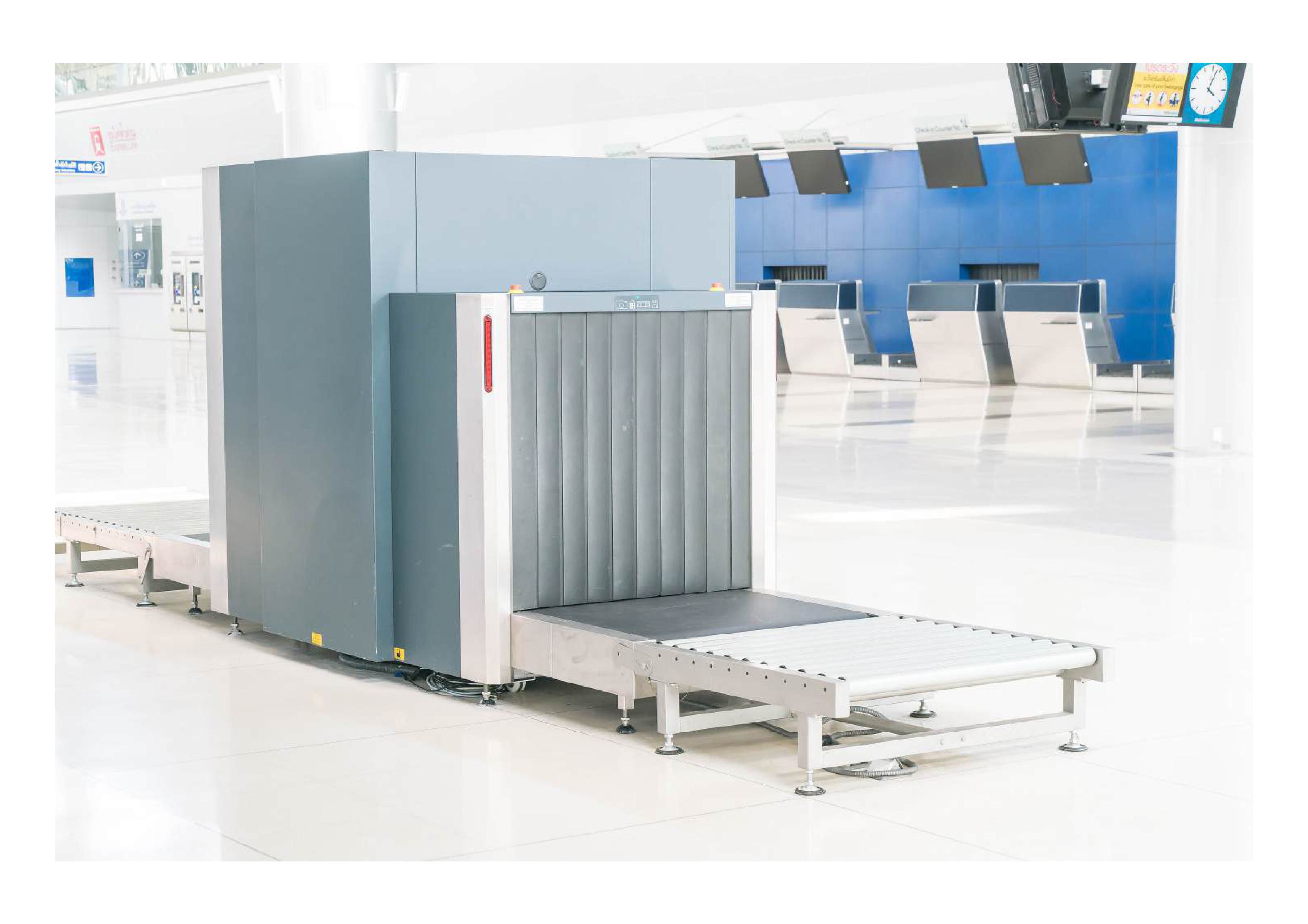
- Category: Security Equipment
- Keywords: Here are some keywords related to X-ray Baggage Scanner: 1. Security Screening 2. Luggage Scanner 3. Baggage Inspection 4. X-ray Imaging 5. Airport Security 6. Border Control 7. Threat Detection 8. Explosive Detection 9. Contraband Detection 10. Security X-ray Long-tail keywords: 1. "Airport security X-ray baggage scanners" 2. "Luggage screening machines for border control" 3. "X-ray imaging systems for threat detection" 4. "Security X-ray scanners for public events" 5. "Automated baggage screening systems"
- Manufacturer Name:
- Packing size:
- Price: ₹555,000
Description
An X-ray baggage scanner is a security screening device used to inspect the contents of luggage, bags, and other items. It uses X-ray technology to produce a detailed image of the item's internal contents, allowing security personnel to detect and identify potential threats. Here's a detailed description of an X-ray baggage scanner: Key Components: 1. X-ray Generator: Produces X-rays that penetrate the item being scanned. 2. Detector: Converts the X-rays into an electrical signal, which is then processed into an image. 3. Conveyor Belt: Moves the item through the scanner at a controlled speed. 4. Control Panel: Allows security personnel to operate the scanner, adjust settings, and view images. How it Works: 1. An item is placed on the conveyor belt and moved into the scanner. 2. The X-ray generator produces X-rays that penetrate the item. 3. The detector converts the X-rays into an electrical signal. 4. The signal is processed into a detailed image of the item's internal contents. 5. The image is displayed on a monitor for security personnel to review. Features and Benefits: 1. High-resolution images: Provides clear, detailed images of internal contents. 2. Dual-energy imaging: Allows for differentiation between organic and inorganic materials. 3. Automatic detection: Identifies potential threats, such as explosives or contraband. 4. Fast scanning: Quickly processes items, minimizing delays. 5. Easy operation: User-friendly interface and automated features simplify operation. Applications: 1. Airport security: Screens luggage and carry-on items. 2. Border control: Inspects luggage and cargo. 3. Government buildings: Screens bags and packages. 4. Public events: Provides security screening for attendees. 5. Commercial buildings: Screens bags and packages for employees and visitors.