SLIDING GATE AUTOMATIC OPENER SYSTEM
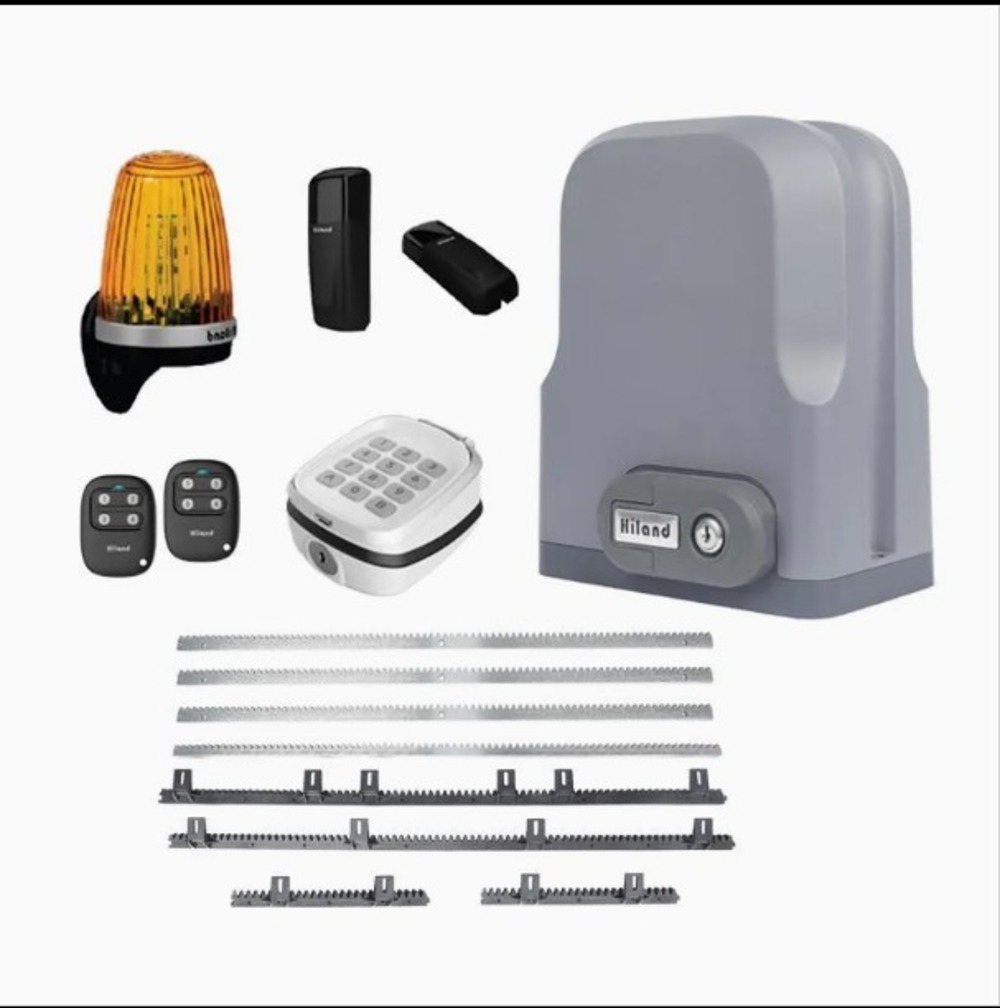
- Model No: BTS-SGA25
- Category: Security Equipment
- Keywords: Here are some keywords related to Sliding Gate Automation: 1. Gate automation system 2. Sliding gate opener 3. Automatic sliding gate 4. Gate motor 5. Sliding gate controller 6. Access control system 7. Security gate automation 8. Electric gate opener 9. Sliding gate operator 10. Automatic gate system 11. Gate automation kit 12. Sliding gate automation kit 13. Gate automation controller 14. Sliding gate motorized 15. Automated sliding gate system
- Manufacturer Name: SLIDER
- Packing size: STANDARD
- Price: ₹25,000
Description
Sliding Gate Automation refers to the use of electronic devices and mechanisms to automatically open and close sliding gates. Here's a detailed description: Key Components:1. Gate motor: A powerful electric motor that drives the gate's movement.2. Control panel: A central unit that houses the automation system's electronics and controls.3. Sensors and detectors: Safety devices that detect obstacles or people in the gate's path.4. Remote controls and accessories: Optional devices that allow users to operate the gate remotely. How it Works:1. User activation: A user initiates the gate's movement using a remote control, keypad, or other access control device.2. Motor activation: The control panel sends a signal to the gate motor, which begins to move the gate.3. Gate movement: The gate slides open or closed along its track, guided by rollers or wheels.4. Safety features: Sensors and detectors monitor the gate's path and surrounding area, stopping the gate if an obstacle is detected. Features:1. Convenience: Automatic sliding gates provide easy access and exit without the need for manual operation.2. Security: Automation systems can be integrated with access control devices, ensuring only authorized individuals can open the gate.3. Safety: Sensors and detectors help prevent accidents and injuries by detecting obstacles in the gate's path.4. Durability: Sliding gate automation systems are designed to withstand various environmental conditions and heavy use. Applications:1. Residential properties: Automatic sliding gates enhance security and convenience for homeowners.2. Commercial properties: Businesses, offices, and industrial facilities use sliding gate automation for secure access control.3. Industrial sites: Automatic sliding gates manage access to construction sites, warehouses, and other industrial areas.4. Government facilities: Sliding gate automation is used in government buildings, military bases, and other secure facilities.