Sequencing Batch Reactors (SBR)

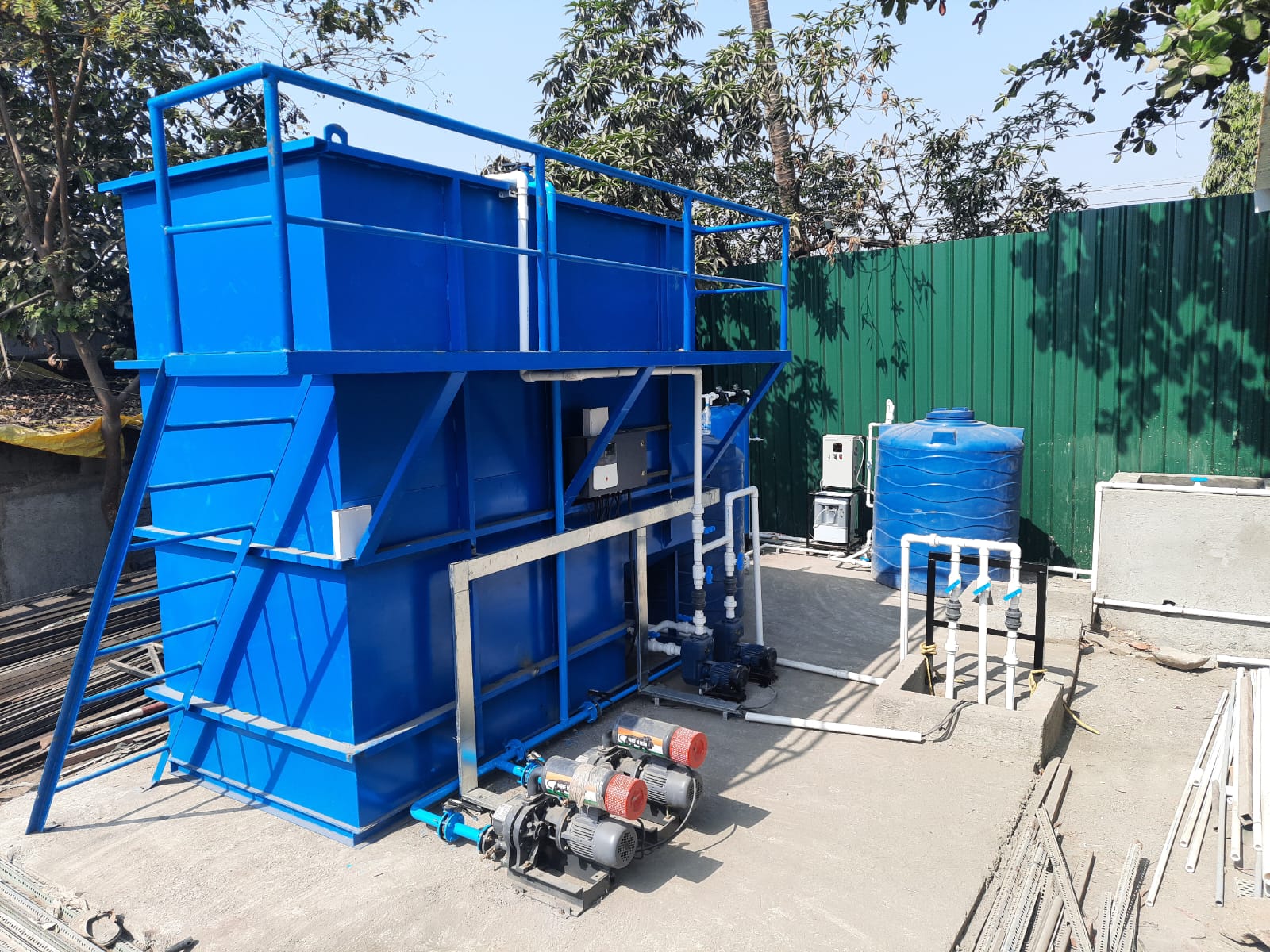
- Model No: SBR
- Category: Pollution Control and Monitoring Equipment
- Keywords: Sequential Batch Reactor, SBR, Fill-React-Settle-Decant, High COD/BOD Effluent.
- Manufacturer Name: Envirotech Systems
- Packing size: Standard
- Price: ₹350,000
Description
Sequential batch reactor can be used to treat effluent with high COD/BOD load with low energy Input. It will give you variable retention time depending upon the the input COD /BOD load. It also allows you to perform all operations like Feed, React, Settle and Decant in the same tank. AI Overview Sequencing batch reactor process | KENKI DRYER Sequential Batch reactor (SBR) - Ketav Consultant AquaSBR® True Batch Sequencing Batch Reactor Technology ... Sequencing Batch Reactor (SBR): Process, Design & Uses Sequencing Batch Reactor SBR S - AZU Water View all A Sequencing Batch Reactor (SBR) is a specialized activated sludge process for wastewater treatment, utilizing a fill-and-draw mechanism to treat wastewater in distinct, timed cycles within a single tank. It eliminates the need for separate clarifiers, instead using a five-step process—fill, react, settle, decant, and idle—to achieve high-quality effluent removal of organic matter and nutrients. This video provides an overview of the SBR wastewater treatment process: Related video thumbnail 57s GRAF UK YouTube • 18 Feb 2022 Key Aspects of SBR Technology: Operational Cycle: SBRs operate in cycles, typically comprising: Fill (raw wastewater enters), React (aeration/mixing occurs to break down pollutants), Settle (solids separate), Decant (treated water is removed), and Idle (system prepares for the next batch). Single Tank Process: All treatment stages occur in one reactor, which reduces the required space and footprint compared to conventional continuous-flow systems. Advantages: SBRs offer high efficiency, flexibility in treating varying loads, excellent nutrient removal (nitrogen and phosphorus), and automatic control using PLCs. Applications: Commonly used for both municipal sewage and industrial wastewater treatment