Yellow Dragon Fruit Plant

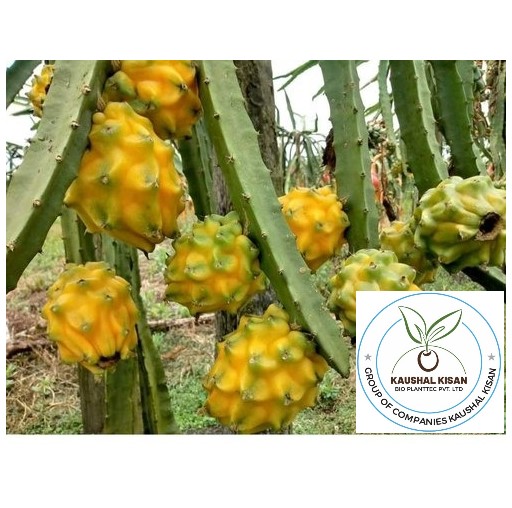
- Model No: H046
- Category: Plant Seed
- Keywords: Yellow Dragon Fruit Plant Yellow Pitaya Plant Buy Yellow Dragon Fruit Plant Dragon Fruit Plant Yellow Yellow Dragon Fruit Cactus Selenicereus megalanthus Plant Dragon Fruit Plant Online Yellow Pitaya Variety Premium Yellow Dragon Fruit Hybrid Dragon Fruit Plant High Value Dragon Fruit Exotic Dragon Fruit Plant Sweet Yellow Dragon Fruit Yellow Dragon Fruit Plant Wholesale Dragon Fruit Plant Supplier Dragon Fruit Plant Manufacturer Dragon Fruit Plants for Nursery Commercial Dragon Fruit Orchard Yellow Dragon Fruit Plant in India Dragon Fruit Plant for Farmers Pitaya Orchard Plants Yellow Dragon Fruit Plant by KOSAL KISAN BIO TECHNOLOGY PRIVATE LIMITED
- Manufacturer Name: Kosal Kisan
- Packing size: 5,7
- Price: ₹130
Description
KOSAL KISAN BIO TECHNOLOGY PRIVATE LIMITED offers healthy and high-quality Yellow Dragon Fruit Plants, an exotic and high-value fruit crop known for its bright yellow skin, sweet taste, high nutritional value, and premium market price. Yellow dragon fruit is highly demanded in fresh fruit markets, supermarkets, hotels, and export sectors, making it an excellent choice for commercial farming and high-profit orchards. Yellow dragon fruit plants are climbing cactus-type plants, requiring a support system and minimal water. They are suitable for tropical and subtropical climates and provide early and high returns with proper management. ?? Plant Characteristics Botanical Name: Selenicereus megalanthus (Yellow Dragon Fruit) Common Name: Yellow Dragon Fruit / Yellow Pitaya Plant Type: Climbing cactus Plant Height: 5–6 feet (with support pole) Flowers: Large white night-blooming flowers Fruit Shape: Oval Fruit Color: Bright yellow skin Flesh: White, juicy, very sweet Harvesting Starts: 12–15 months after planting ?? Climate & Soil Suitability Suitable for tropical and subtropical climates Ideal temperature: 18–35°C Grows well in well-drained sandy loam soil Soil pH: 5.5 – 7.0 Requires good drainage (sensitive to waterlogging) ?? Popular Dragon Fruit Types 1?? Yellow Dragon Fruit Very sweet taste Premium market price Slightly lower yield but high value 2?? Red Flesh Dragon Fruit High yield Attractive red pulp Popular commercial variety 3?? White Flesh Dragon Fruit Moderate sweetness High productivity ?? Spacing & Planting (Brief) Recommended Spacing: 10 ft × 10 ft Plants per Acre: 400–450 (with pole system) Propagation Method: Stem cuttings Support System: Cement/Concrete pole mandatory ?? Growth, Yield & Life Bearing Starts: 12–15 months Full Production: 2–3 years Average Yield: 8–15 kg per plant Economic Life: 15–20 years ?? Uses & Income Potential Premium fresh fruit market Supermarket & export demand High-value exotic fruit Strong urban market preference Profitable commercial orchard crop ?? Key Advantages ? Premium exotic fruit ? High market price ? Early bearing crop ? Low water requirement ? Suitable for high-density commercial farming