MBR

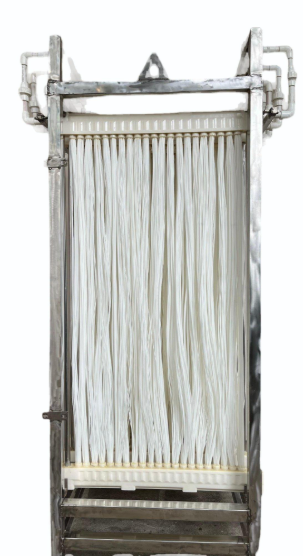
- Model No: MBR-M563B23
- Category: Waste Management
- Keywords: MBR, embrane Bioreactor, Rector, Membrane,
- Manufacturer Name:
- Packing size:
- Price: ₹30,000
Description
A Membrane Bioreactor (MBR) is an advanced wastewater treatment system that integrates biological degradation of pollutants with membrane filtration to produce highly purified water. In this process, wastewater first enters a bioreactor tank where microorganisms (bacteria and other microbes) break down organic matter, nutrients, and pollutants present in the water, similar to the Activated Sludge Process. Instead of using a conventional settling tank to separate treated water from sludge, the MBR system uses microfiltration or ultrafiltration membranes that act as a physical barrier. These membranes retain suspended solids, bacteria, and other contaminants while allowing clean water, called permeate, to pass through. Continuous aeration is provided in the bioreactor to supply oxygen for microbial activity and to reduce membrane fouling. MBR systems are capable of producing high-quality effluent with very low turbidity, pathogens, and organic pollutants, making the treated water suitable for reuse in irrigation, industrial processes, or groundwater recharge. Although MBR technology offers advantages such as compact design, higher treatment efficiency, and better removal of microorganisms, it also has some limitations including high operational cost, energy consumption, and membrane fouling, which requires regular cleaning and maintenance.