- 97XXXXXX55
- XXXXXXX@XXX.in
APFC Panels

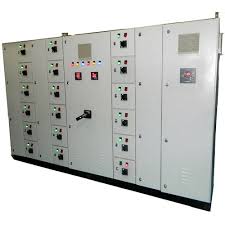
- Model No: Control Panels
- Category: Electrical Goods Equipment and Supplies
- Keywords: Servo Stabilizer , Voltage Stabilizer ,Air Cooled Stabilizer , Oil Cooled Stabilizer Servo Stabilizer , Voltage Stabilizer ,Air Cooled Stabilizer , Oil Cooled Stabilizer, Engine Cranker ,Engine Cranker Rectifier, Industrial Battery Charger , SMPS Battery Charger , Lead acid battery Charger, Online Ups , Industrial Online Ups , Three Phase Online Ups , Single Phase Online Ups, AC Drives , Industrial AC Drives , L&T AC Drives, Control Panels , Apfc Panels
- Manufacturer Name: Sakthi Electrical Control
- Packing size:
- Price: ₹33,600
Description
Automatic Power Factor Correction (APFC) panels are intelligent electrical control systems designed to maintain a system's power factor close to unity (typically 0.99 lag). In 2026, these panels feature advanced microprocessor control, harmonic mitigation, and IoT-enabled remote monitoring for high-demand industrial environments. Core Technical Features Modern APFC panels are defined by their ability to respond dynamically to fluctuating inductive loads. Intelligent Microprocessor Controllers: Act as the "brain" of the panel, calculating reactive power (kVAr) requirements in real-time and performing automatic CT polarity correction. Multiple Correction Stages: Panels typically feature 4 to 14 stages of capacitor banks, allowing for precise, incremental adjustments rather than coarse "on/off" fixed compensation. Capacitor Duty Contactors: These specialized contactors are equipped with damping resistors to handle high inrush currents during the switching of capacitor banks, ensuring long life and trouble-free operation. Self-Healing MPP Capacitors: Heavy-duty Metallized Polypropylene (MPP) capacitors are standard, often rated for voltages higher than the line (e.g., 440V to 525V) to withstand surges and overloads. Advanced Monitoring & Safety Harmonic Mitigation: Many 2026 models include detuned reactors (e.g., 5.6% or 7% tuning) to protect capacitors from harmonic resonance and prevent damage to sensitive electronic equipment. IoT & Remote Access: High-end panels offer pluggable data loggers, Ethernet, USB, and RS485 ports for integration into SCADA systems or monitoring via mobile applications. Comprehensive Protection: Includes automatic overvoltage cut-off, undervoltage protection, phase failure detection, and temperature-controlled cooling fans to manage heat load. Durable Construction: Typically housed in epoxy powder-coated CRCA sheet steel enclosures with ingress protection ratings ranging from IP40 to IP65 for harsh environments.