Water Treatment Plant (2 KLD To 25 KLD)

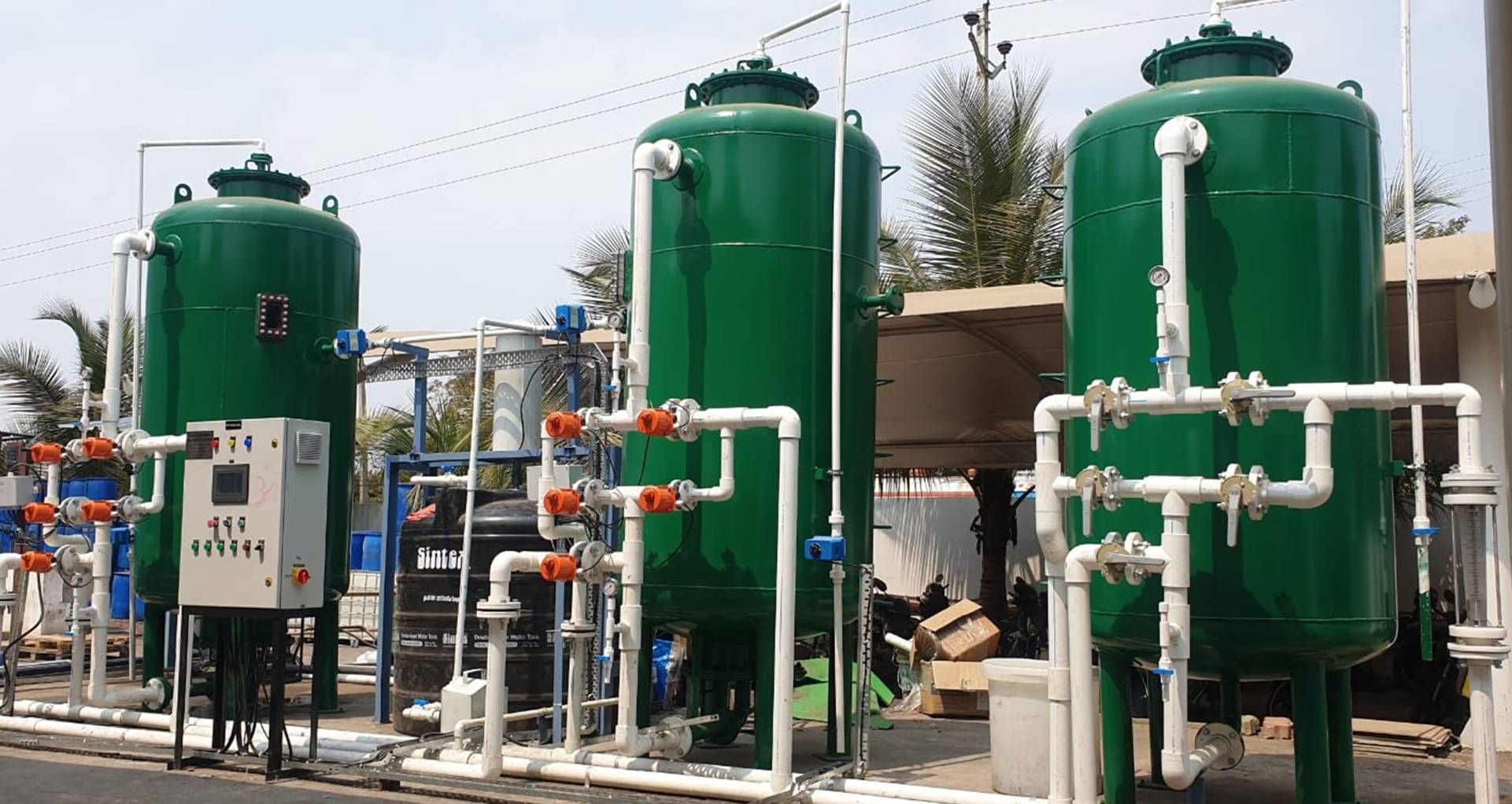
- Model No: Model No/Product Code: - RW07/PRW-0672
- Category: Water Treatment Plants and Chemicals
- Keywords: WTP, WWTP, Filtreation, Coagulation, Flocculation, Sedimentation, Disinfection, Chlorination, Alum Dosing, Clarifier, Sand Filter, Sludge Removal, Turbidity,
- Manufacturer Name: Waterneer Technologies
- Packing size: 1 KLD to 70 KLD
- Price: ₹240,000
Description
A Water Treatment Plant (WTP) is a system used to treat raw water from sources like rivers, lakes, or groundwater to make it safe for drinking and other uses. The treatment process removes impurities such as suspended particles, bacteria, chemicals, and harmful substances. A typical WTP process includes coagulation, flocculation, sedimentation, filtration, and disinfection. Chemicals are added to help particles settle, and filters remove remaining impurities. Finally, disinfectants like chlorine are used to kill harmful microorganisms. The main purpose of a WTP plant is to provide clean, safe, and potable water for domestic, industrial, and municipal use.