Ultra Filtration

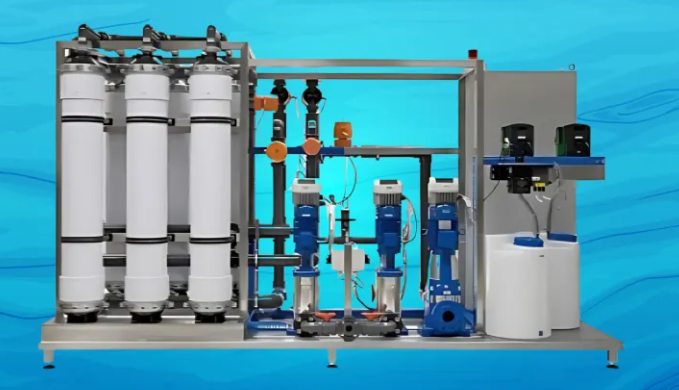
- Model No: WTI-UF-S768905
- Category: Waste Management
- Keywords: UF, UF Membrane, Ultra filtration, Sub-micron Filtration, Membrane Separation, Diafiltration,
- Manufacturer Name: Waterneer
- Packing size: 5 m3
- Price: ₹350,600
Description
Ultrafiltration (UF) is a membrane filtration process used to remove suspended solids, bacteria, viruses, and colloidal particles from water or liquid solutions. It works by passing the liquid through a semi-permeable membrane with very fine pores, usually ranging from 0.01 to 0.1 micrometers. When pressure is applied, water and small dissolved substances pass through the membrane as permeate, while larger particles and microorganisms are retained on the membrane surface. Ultrafiltration operates at relatively low pressure compared to other membrane processes and does not require chemical additives for separation. It is widely used in drinking water purification, wastewater treatment, food and beverage processing, and pharmaceutical industries because it can effectively remove pathogens and produce high-quality water. The main advantages of ultrafiltration include high filtration efficiency, compact system design, and consistent water quality, while its main limitation is membrane fouling, which occurs when particles accumulate on the membrane and reduce its performance, requiring regular cleaning and maintenance.