STP In Advaned Oxidation Process

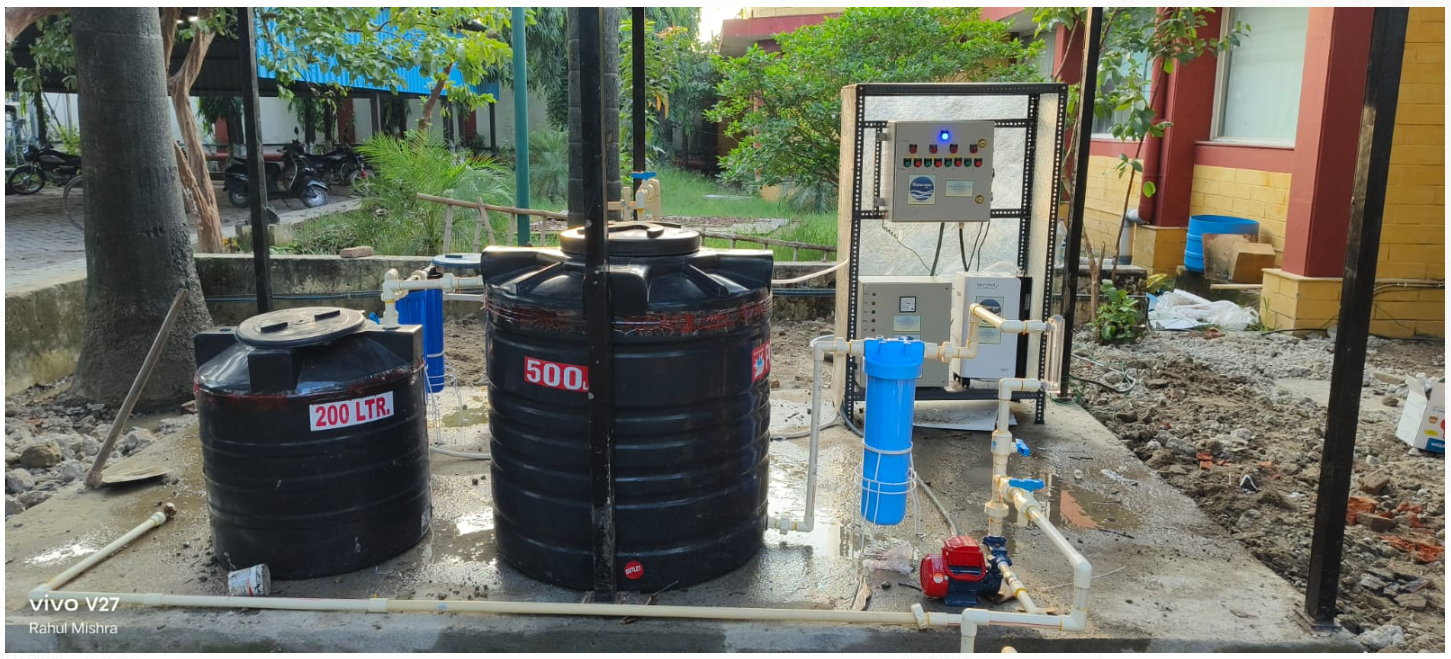
- Model No: WTI-A87O9P
- Category: Water Treatment Plants and Chemicals
- Keywords: STP, AOP, Advanced Oxidation Process, Sewage Treatment Plant, Ozonation, Oxidation
- Manufacturer Name: Waterneer
- Packing size: 1 to 10 KLD
- Price: ₹255,000
Description
In Sewage Treatment Plant (STP), the Advanced Oxidation Process (AOP) is used as a tertiary or advanced treatment method to remove persistent organic pollutants that cannot be completely removed by conventional biological treatment. Advanced oxidation processes work by generating highly reactive species, mainly Hydroxyl Radical (•OH), which are powerful oxidizing agents capable of breaking down complex organic compounds, dyes, pharmaceuticals, pesticides, and other toxic substances present in wastewater. In this process, oxidants such as Ozone (O3), Hydrogen Peroxide (H2O2), or Titanium Dioxide (TiO2) combined with ultraviolet (UV) light are used to produce hydroxyl radicals. These radicals rapidly react with pollutants and convert them into simpler and less harmful substances like carbon dioxide, water, and mineral salts. AOP in STP improves the removal of color, odor, toxicity, and non-biodegradable compounds, thereby enhancing the overall quality of treated water and making it suitable for safe discharge or reuse. However, the process requires higher operational cost, energy input, and careful control of chemical dosage for effective treatment.